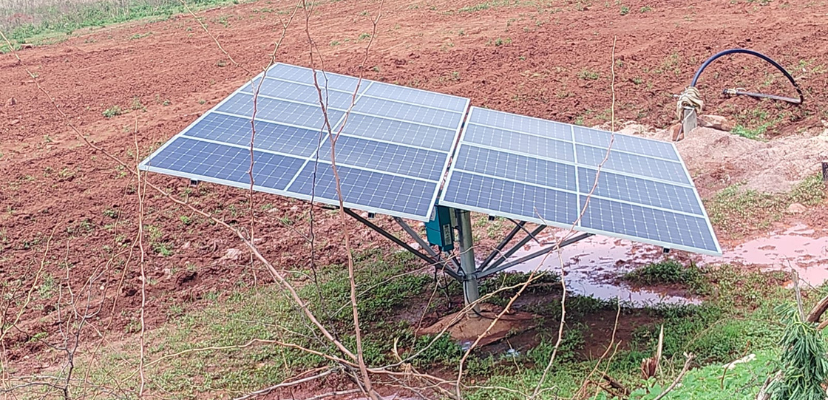
Solar Pumping System
Benefits of Service
- 1Cost Savings – Reduces electricity bills by using free solar energy.
- 2Reliable Water Supply – Provides consistent water for agriculture, industries, and households.
- 3Eco-Friendly – Minimizes carbon footprint and promotes sustainable water management.
- 4Low Maintenance – Durable systems require minimal upkeep for long-term use.
- 5Energy Independence – Reduces reliance on grid electricity or diesel generators.
Components of Solar Pumping System
- 1Convert sunlight into electrical energy, forming the primary power source for the pumping system.
- 2 Manages the flow of electricity to the pump, optimizing performance and protecting the system from overloads.
- 3The core component that moves water from wells, rivers, or storage tanks to the required location efficiently.
- 4Stores excess solar energy for use during cloudy days or at night, ensuring uninterrupted water supply.
- 5Provides a stable and adjustable platform for solar panels, ensuring maximum sunlight exposure and durability.
Uses
Provides a reliable, eco-friendly water supply for crops, reducing farmers’ dependency on diesel or electricity.
Ensures safe water pumping for households, rural communities, and livestock in off-grid areas.
Solar pumping systems are an eco-friendly and cost-effective solution for reliable water supply, especially in areas with limited access to electricity. Powered by solar panels, they draw water directly from borewells, rivers, or reservoirs and deliver it for multiple uses such as irrigation, livestock care, and household needs. These systems reduce dependency on diesel and grid power, cutting operational costs while protecting the environment. With minimal maintenance, long service life, and adaptability in remote regions, solar pumping systems ensure sustainability, water security, and energy independence.