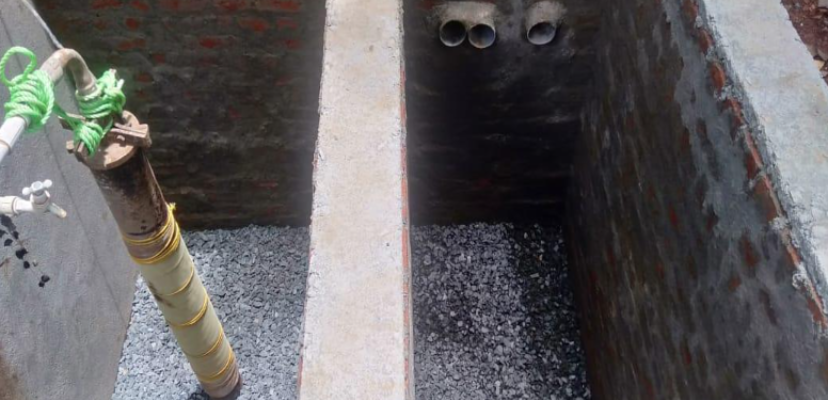
Water Harvesting
Benefits of Service
- 1 Captures rainwater and channels it into aquifers, restoring underground water levels.
- 2 Ensures a reliable water supply for domestic, agricultural, and industrial use during dry periods.
- 3Minimizes reliance on municipal water, lowering water bills and pumping costs.
- 4 Manages surface runoff, reducing floods and preventing soil degradation.
- 5 Provides consistent water for irrigation, improving crop yield and resilience.
- 5 Conserves natural water resources, protects ecosystems, and reduces energy usage for water pumping.
Uses
Provides water for drinking, cooking, cleaning, and gardening.
Reduces dependence on municipal water for factories and plants.
Reduces dependence on municipal water for factories and plants.
Replenishes underground water levels for long-term sustainability.
Water harvesting is an effective way to capture and utilize rainwater for multiple purposes. It provides a reliable source of water for domestic needs such as drinking, cooking, cleaning, and gardening. In agriculture, harvested water supports irrigation for crops, orchards, and livestock, ensuring consistent yields. Industries benefit by reducing reliance on municipal water, lowering costs, and improving sustainability. Additionally, water harvesting replenishes groundwater levels, promoting long-term water security and environmental conservation, making it a key strategy for sustainable resource management.